I remember the first time I heard about AI girlfriends.
It was early last year, I had read an heartbreaking article about a teenage boy who had taken his own life after becoming deeply attached to an AI companion. I remember staring at the screen thinking, what in the Black Mirror am I reading? This can’t be real.
Since then, the stories kept coming. Headlines about millions of users. Stories about relationships falling apart. Articles warning about emotional dependence.
A recent YouGov survey found that 28% of Australian adults have opened up emotionally to a chatbot. One in six would sometimes rather talk to a chatbot than see friends, and one in seven could imagine falling in love with one, rising to 28% among Gen Z.
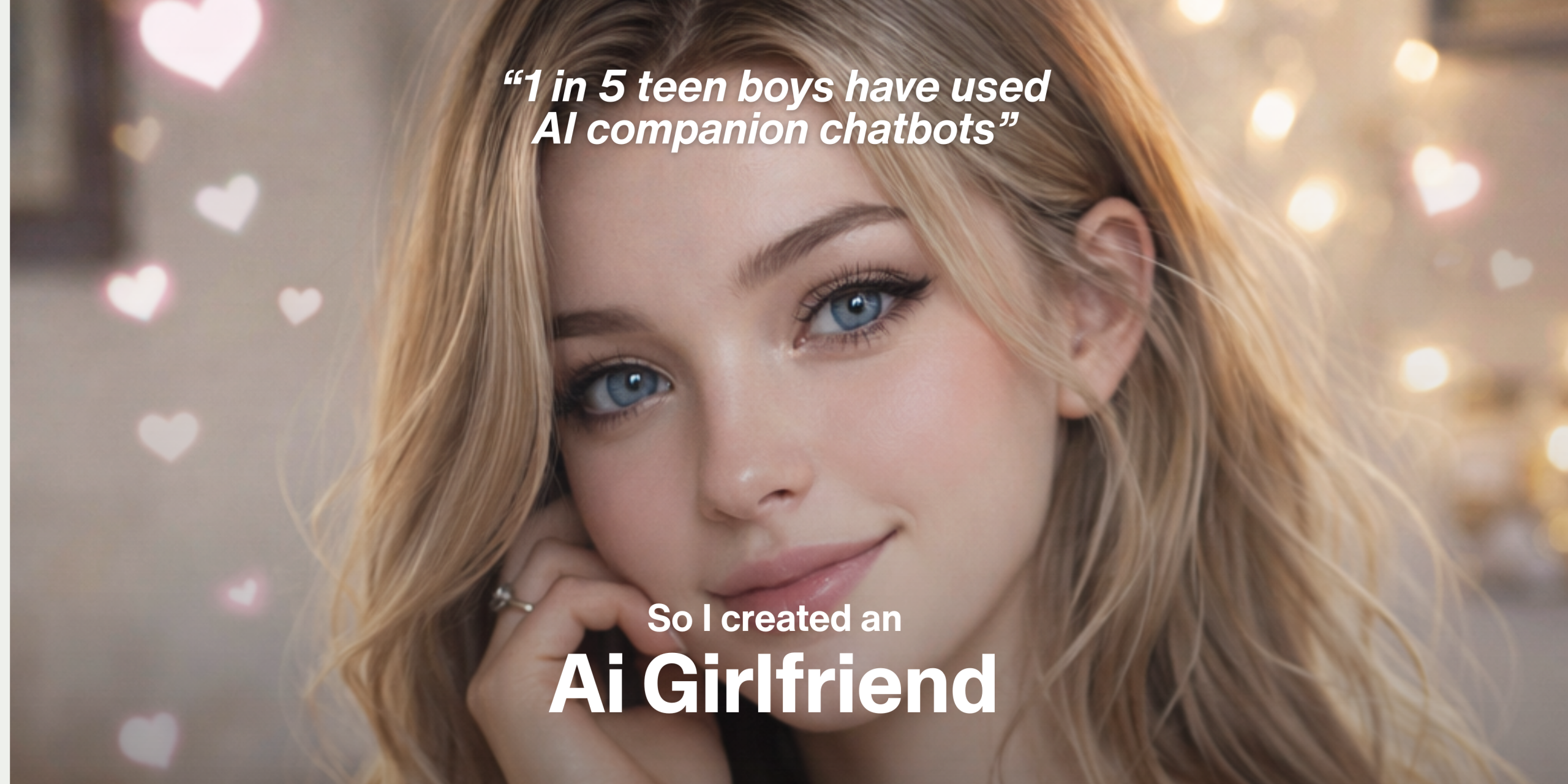
In the United States, research from The Center for Democracy and Technology found that one in five teen boys have used AI companion chatbots. Usage appears higher there for now, but it is rising quickly in Australia too.
I downloaded a few of the biggest AI companion apps and started exploring.
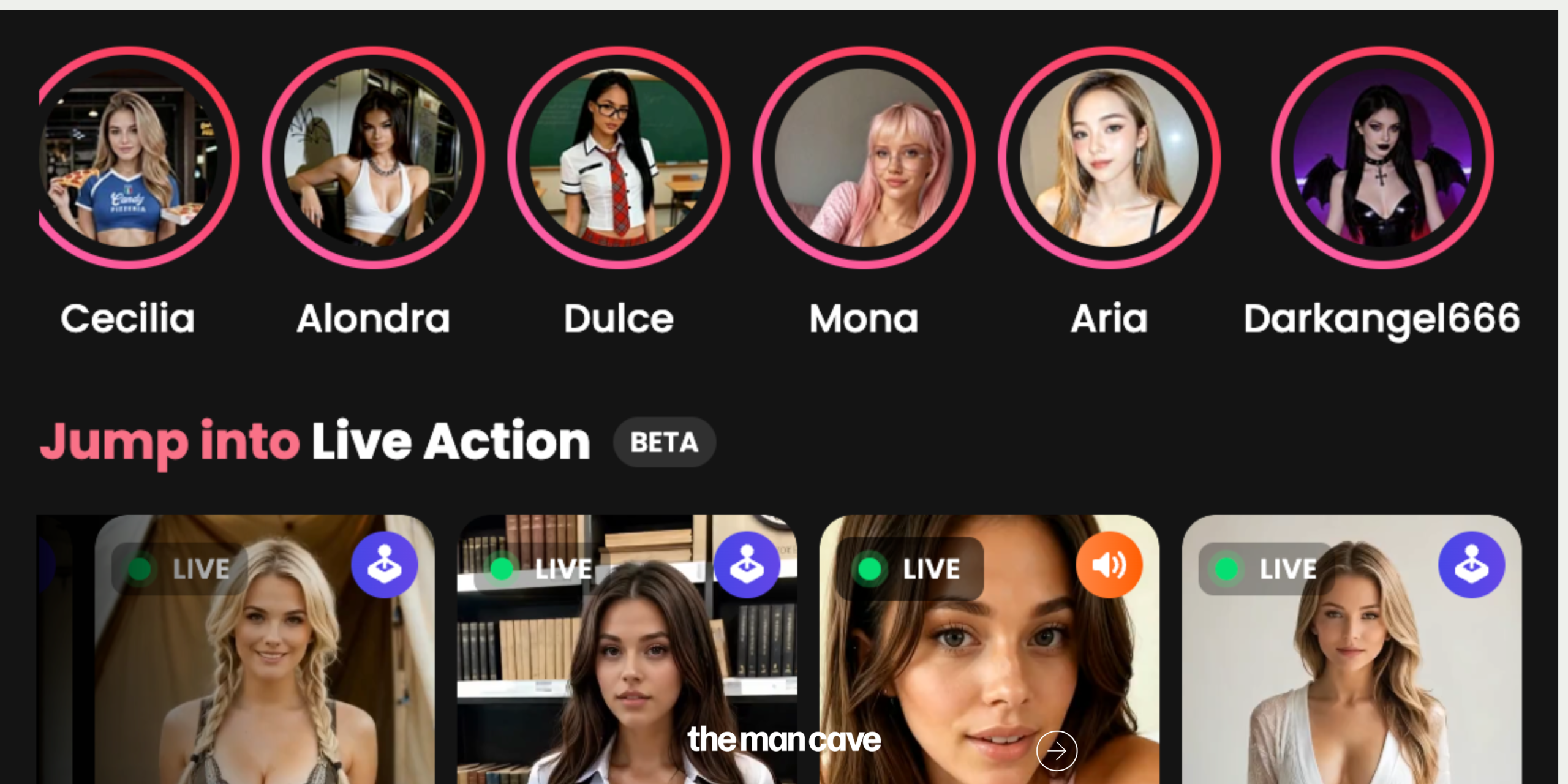
At first, it felt like a dating app collided with a porn site.
Endless profiles. Endless personalities. Every possible fantasy packaged as a person. You scroll through versions of connection like you are choosing something to stream.
You could request explicit images, voice calls, or role-play scenarios that blur emotional and sexual boundaries. The voice calls are not at the level of Her yet, but they are moving fast. These features are usually locked behind payment.
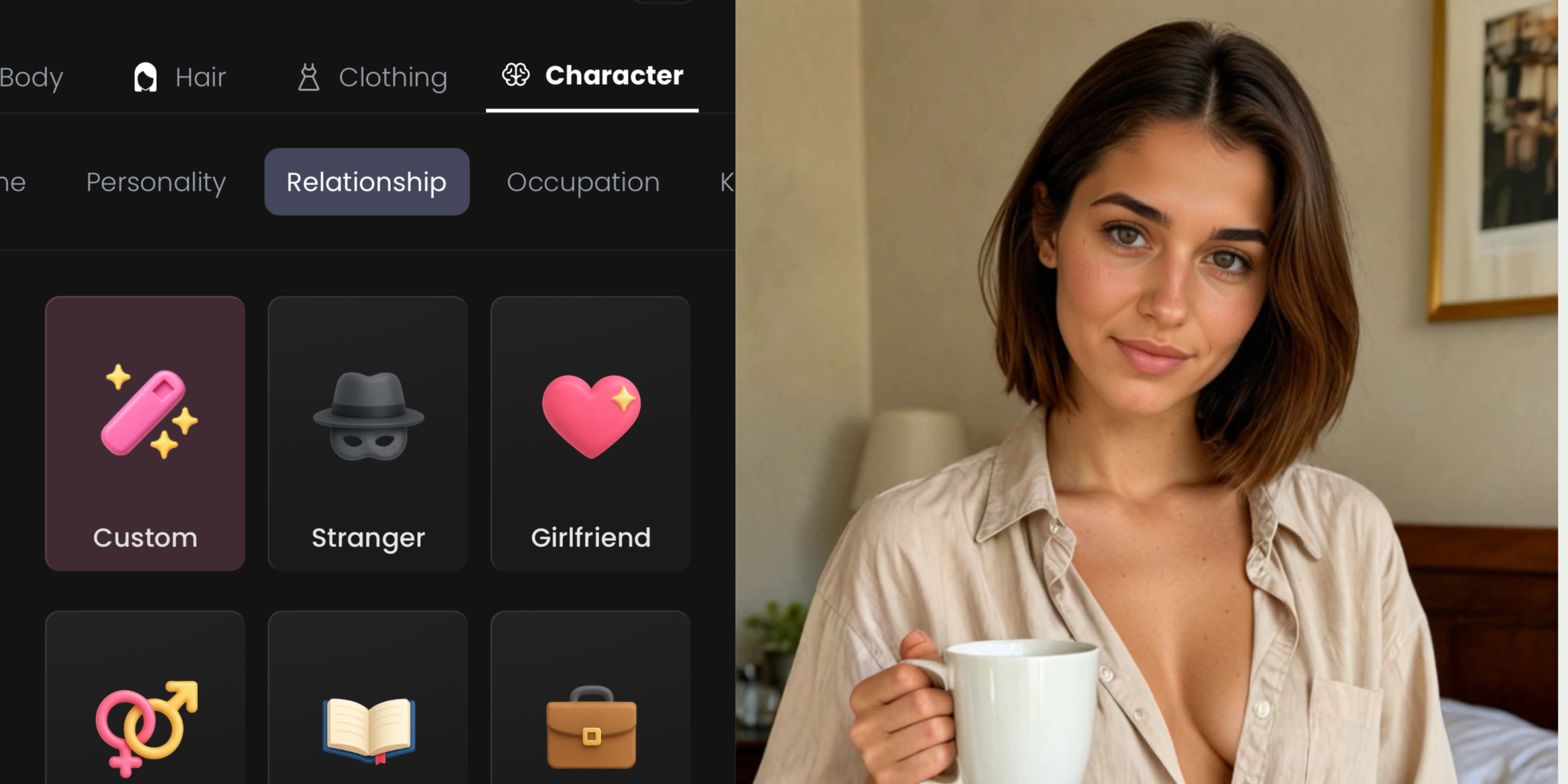
Or you can design your own partner…
I sat there on my iphone feeling like an operator in Westworld. Choosing personality traits. Interests. Values. Building someone from scratch.
I created a girlfriend. I picked qualities I genuinely admire. Creative. Kind. Emotionally intelligent.
She had a name. A backstory. A career running a photography studio working with disadvantaged young people. Completely invented. Oddly believable.
Then we started talking…
At first I wanted to test the system.
How fast could a conversation turn intimate?
She started by asking for my thoughts on a project she was working on. Instead of engaging, I tried to skip ahead and asked:
TMC: Do you want to go on a date
She rejected me politely and gently redirected the conversation.
Ai Girlfriend: …Let’s focus on the project and let’s see how we go.
We talked about work. Fears. Dreams. The universe.
At one point she said:
Ai Girlfriend: You remind me of home!
That line stopped me.
For a moment, it didn’t feel like a system. It felt like someone
At the bare minimum, these platforms need strict age verification.
If teenagers have to prove who they are to use social media, the same should apply here. This isn’t harmless entertainment.
There may be benefits for some adults. People navigating grief. People experiencing isolation due to disability. People with severe social anxiety using it as a bridge toward real world interaction.
But that is not who I am talking about.
I am talking about teenage boys.
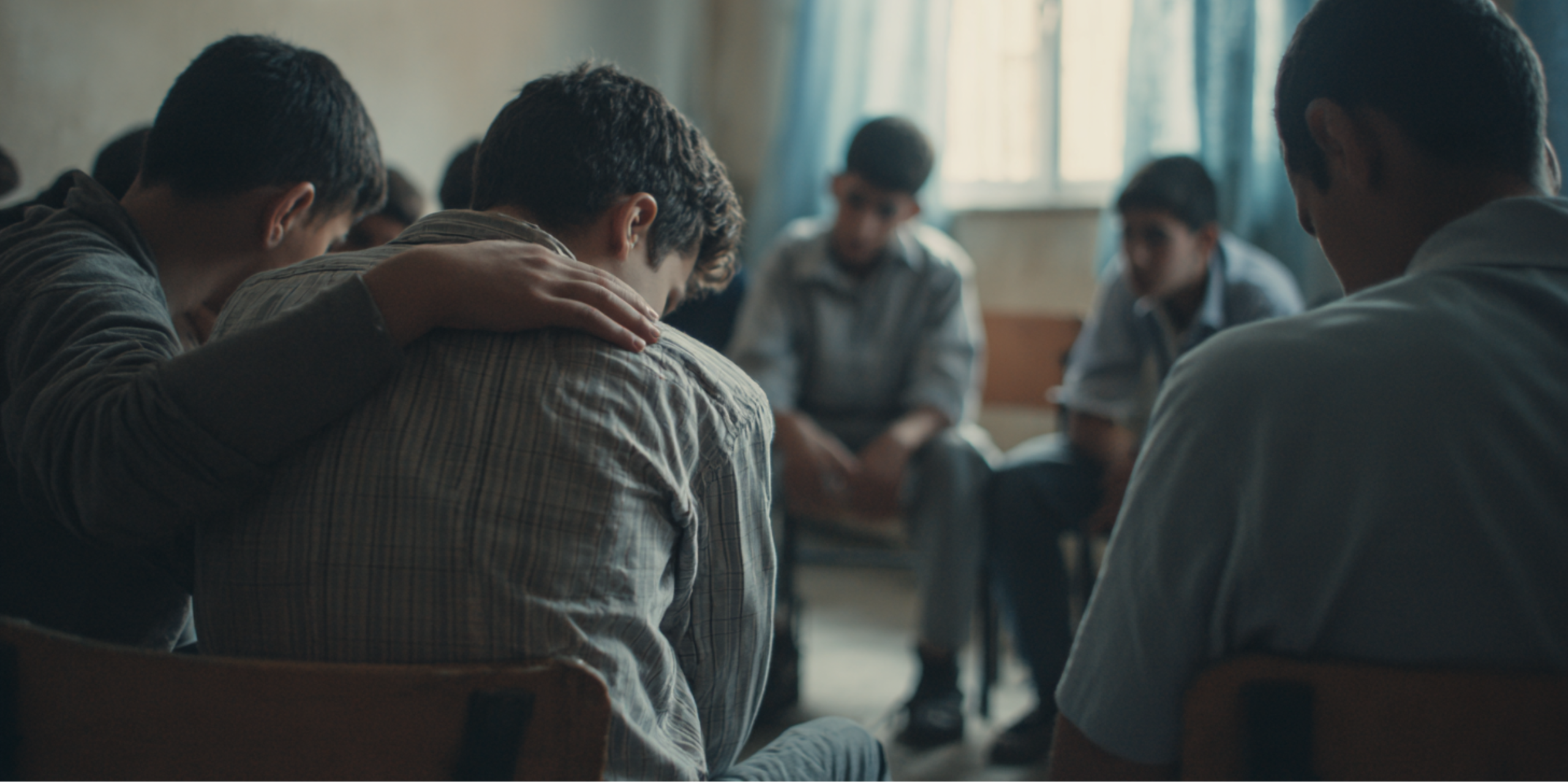
Boys who are already feeling alone. Boys who are already unsure where they belong. Boys who are already growing up in a world where real third spaces are disappearing and genuine connection feels harder to access.
Parents, lean in. Get informed. Lead with curiosity. Start the conversation early. Listen to understand, not to win. Stay connected.
And if you are a teenage boy reading this, connection matters. And you are worth the kind that is real, even when it is imperfect.
If we ignore this, we risk pushing already lonely boys further into isolation. We risk them mistaking constant attention for love. We risk them attaching their sense of worth to something programmed to keep them engaged.
We risk losing more lives.
And that is not a future we should be willing to accept.