Join our newsletter for resources, tools and insights for the boys in your life. Join our newsletter for resources and insights to support boys Sign up
Cart (0)

Growing Up Where Support Is Miles Away

By Lindsay Marchment


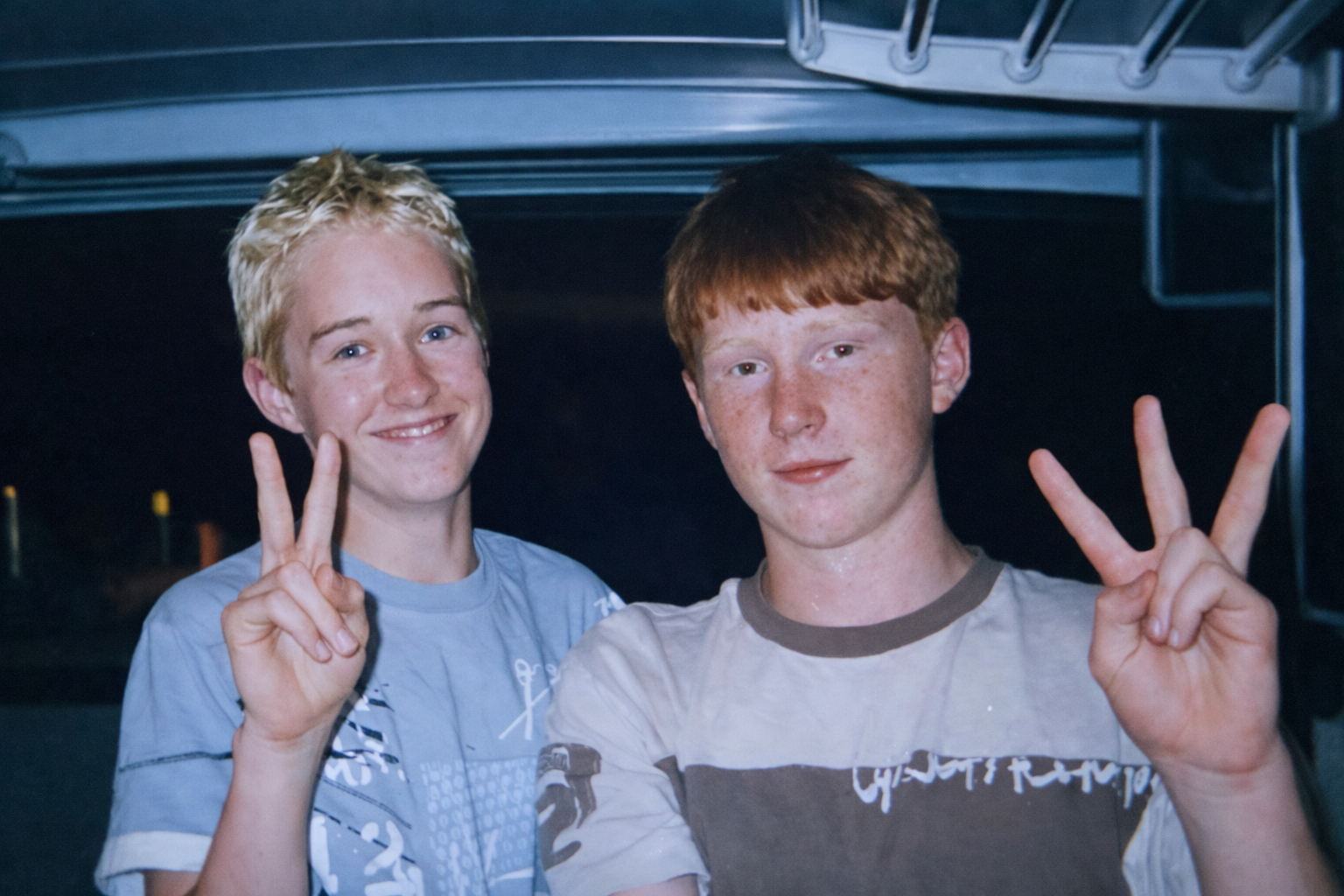
My name is Linds, and I grew up in rural Victoria, about 350 kilometres north-west of Melbourne, in a small town called Warracknabeal. A tight-knit, thriving town in the heart of the wheatbelt. A place I still call home, where much of my family lives, and where I always return to reconnect with who I am and where I came from.

When I was growing up, there was a very traditional version of masculinity, one that didn’t reflect who I was or how I experienced the world. I couldn’t see a version of myself that felt possible, let alone celebrated. That made adolescence especially hard.

At 14, I entered a dark period of mental health stress. I was confused about who I was, and I felt like I had to hide parts of myself to survive socially. I lived with a constant fear of being labelled too sensitive, too feminine, not good enough, and subsequently I felt that I was unworthy of belonging.

Why, because when we try to change who we are to “fit in” that is not true belonging.
Author and Social Researcher Brene Brown describes fitting in as “assessing a situation and becoming who you need to be to be accepted.” whereas “Belonging is about being accepted for who you are.”

For me, I assessed every situation and adapted, just like a chameleon. I used to think this ability to adapt was an asset, and in some senses it is, but what it really did was distract me from understanding who I really am, at my core.

It takes a lot of physical and mental energy to adapt oneself in the aquisition of acceptance from others. I learnt to manage that energy by hiding and running away from the dark feelings of unworthyness with drugs and alcohol.

The anxiety would overwhelm me and lead to my body shutting down into a depressive state that would leave me bed-ridden for days. This bumpy ride continued deep into my late 20’s before a ‘sliding doors moment’ with police changed me forever.

Growing up in a rural town isn’t without its challenges. Everyone knows everyone, or at least thinks they do. That closeness can feel comforting, but it can also feel suffocating.

When you’re young and trying to work out who you are, it’s easy to feel watched, talked about, and rarely spoken to. That can be deeply isolating. Especially when the fear is that you will not be accepted for who you are.

Distance plays a role too. Access to mental health and wellbeing services is limited. The closest regional hub, Horsham, is over 50 kilometres away, while larger hospitals in Bendigo and Ballarat are over two hours’ drive. For many families, that distance alone makes support inaccessible.

Schools do their best, but wellbeing budgets are stretched thin, especially when services are concentrated in cities and travel costs quickly tip those budgets into the red.

This is not to say rural life doesn’t have profound strengths. There is a deep sense of community in small towns, without it, they wouldn’t survive.

You see it in local sporting clubs, community projects, action groups, and the quiet legends who hold towns together. I was involved in lots of sports and activities. Things were affordable. Getting around was easy. My friends were always there.

I also spent time with people of all ages, which gave me a broad range of role models and shaped me in ways I still value deeply.

And yet, boys in regional and rural Australia are struggling right now.

They are navigating the same pressures as their city-based peers, rigid gender expectations, social media, uncertainty about the future, climate anxiety, and a world that feels increasingly unstable, but with fewer support services and fewer safe spaces to talk about what’s going on inside.

At The Man Cave, we run preventative mental health workshops that directly address this. Our team of facilitators role model a version of masculinity that has range, they can be soft and caring, tough and playful, honest and real, while offering the boys we work with real examples of healthy and thriving men.

We talk openly with boys about masculinity and the social scripts they’re handed, scripts that still say don’t cry, don’t be a girl, don’t be gay. These messages continue to suffocate boys’ emotional expression, limit help-seeking, strain friendships, and shape how boys treat themselves and others.

For boys in rural and regional communities, these scripts can feel even harder to escape. When there’s limited language for emotions and nowhere safe to take them, the inner world becomes overwhelming.

Left unaddressed, that can show up as isolation, risk-taking, addiction, violence, or suicide.

I was one of those boys, raised in a community full of care and strength, but unequipped with the tools to hold the emotional complexity of its young people. I struggled, largely on my own.

I didn’t know I could speak up. I didn’t know help was an option. And, the shame associated with not being ok as a young man was smothering.

Now, I get to be part of creating spaces where those conversations can happen, where boys are met with honesty, care, and permission to be fully human.

Right now, rural and regional boys need that more than ever.
And geography should never determine whether a boy gets support.

Lighten the Load: Back to School

By supporting The Man Cave’s Lighten the Load: Back to School fundraiser, you’re helping us reach boys growing up where services are scarce, but the need is just as real.

Because no boy should have to carry it all alone.

Written by Lindsay Marchment
January 2026