In February 2020, I had everything a 20-year-old could dream of: a loving family, an abundance of friends, I was peaking athletically (I still play rugby), my grades were high and I was partying two to three times a week.
In the late hours of Valentine’s Day, I found myself at Fortitude Valley train station in Brisbane waiting for the next train. But I never planned on boarding it; I was going to jump in front of it.
My glass jar was full. After years of violence, abuse, homophobia, infidelity and cruelty at the hands of others, I decided that I no longer wanted to suffer. As I stood there, broken and waiting for a train to end it all, a stranger on the platform noticed I was off and hugged me. I wonder if that stranger knows they saved my life.
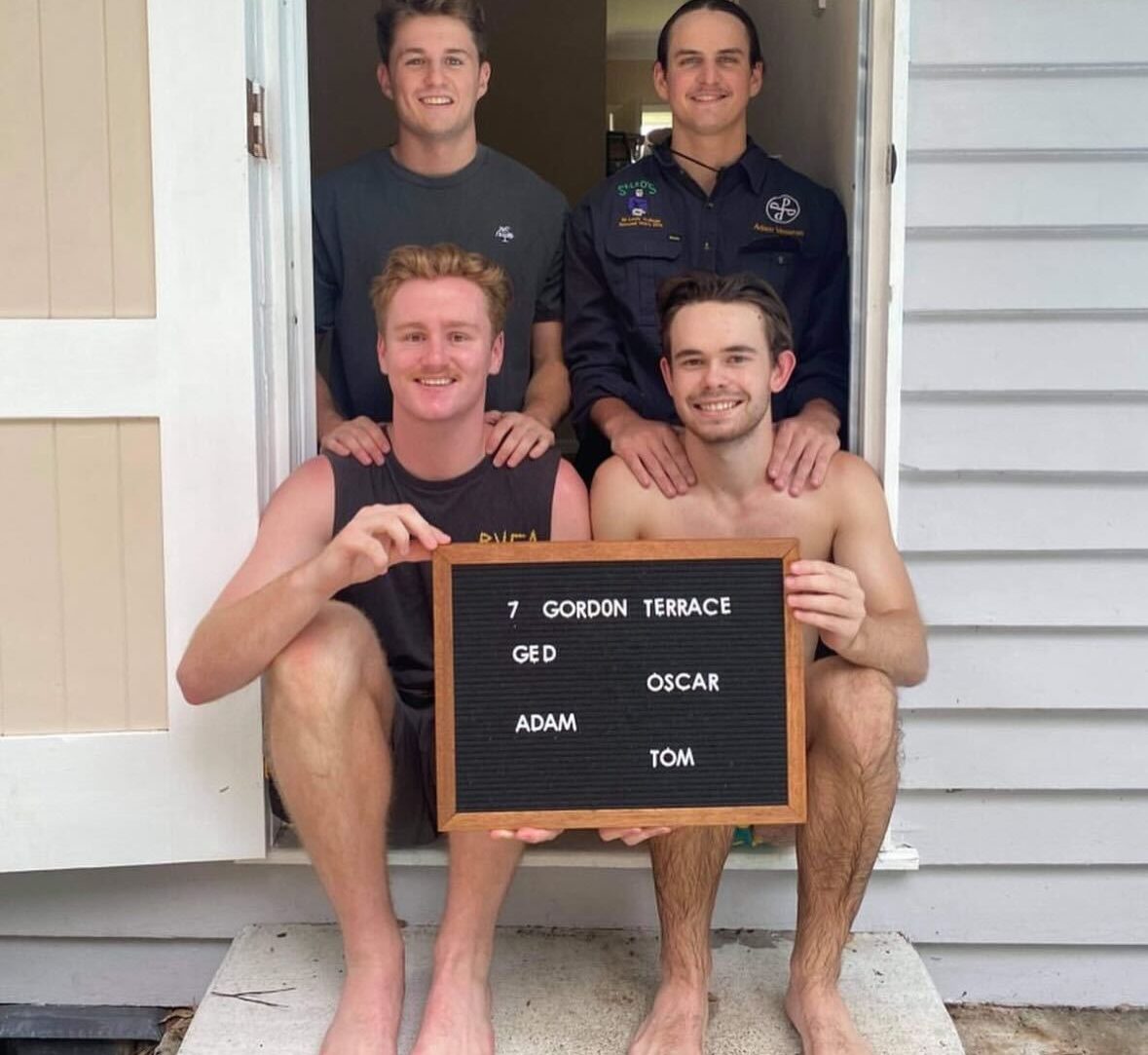
A few months later, I was playing NBA2k with my friend Adam in our college dorm. I noticed him pop a pill when he took a sip of water. “What was that?” I asked. He responded: “My antidepressants.”
What followed was the first conversation I ever had about mental health with anyone. His unwavering authenticity gave me permission to explore professional support for the first time. I’ve never told him this, but that conversation saved my life, too.
I went on antidepressants and started seeing a psychologist regularly, opening up about everything. My psychologist and I practised how I would start this conversation with the people in my life that I trusted. Funnily, my Instagram bio at this time was “It’s not weak to speak.” This message is true: it is not weak to speak, and people who are open about their mental health are the strongest people I know – but it’s really fucking hard to do so.
I opened up to some loved ones about some struggles I was having, and it was really hard. They loved me more for it.
I posted openly about my struggles online; it felt nerve-racking. The care and support I received was incredible.
For the first time in my life, I felt really, truly like Ged. I had finally taken off this mask that tells young men that they can’t express their emotions or reach out for help when they need it.
All I ever wanted in the moments leading up to Valentine’s Day of 2020 was to know that I wasn’t alone, that other people had been there too and come out the other side stronger. It only takes one person to be in your corner when you need it, and if you don’t feel that you have that person, everyone has the support of helplines and call centres. That’s their job, and they want to help you.
These days I am the Research and Evaluation Coordinator at The Man Cave, and the best part of my role is that I get to read the unfiltered insights of teenage boys. There are three common themes that the boys tell us after our workshops:
“I feel more connected to the boys around me now that I know their stories.”
“I feel such a weight off my shoulders and I’ve realised I can tell my mates anything.”
“I know now that it’s okay as a man to talk about my feelings.”
After our workshops, boys feel more confident asking for help from friends, trusted adults, or professionals. Help-seeking jumps by 13% right after the workshop, and three months later, it’s still 9% higher than before the workshop.
Our workshops don’t necessarily change the lived experiences of teenage boys, but they do provide them with mentors who role model authenticity and give them tools to do the same.
I have no doubt that if 13-year-old Ged had a workshop like this when they were growing up, they would not have ended up at Fortitude Valley train station on Valentine’s Day, 2020.
Unapologetic authenticity is hard, but it’s worth it. This RUOK Day, take the leap – it won’t just take the weight off your shoulders, but it’ll give the people around you a chance to do the same.
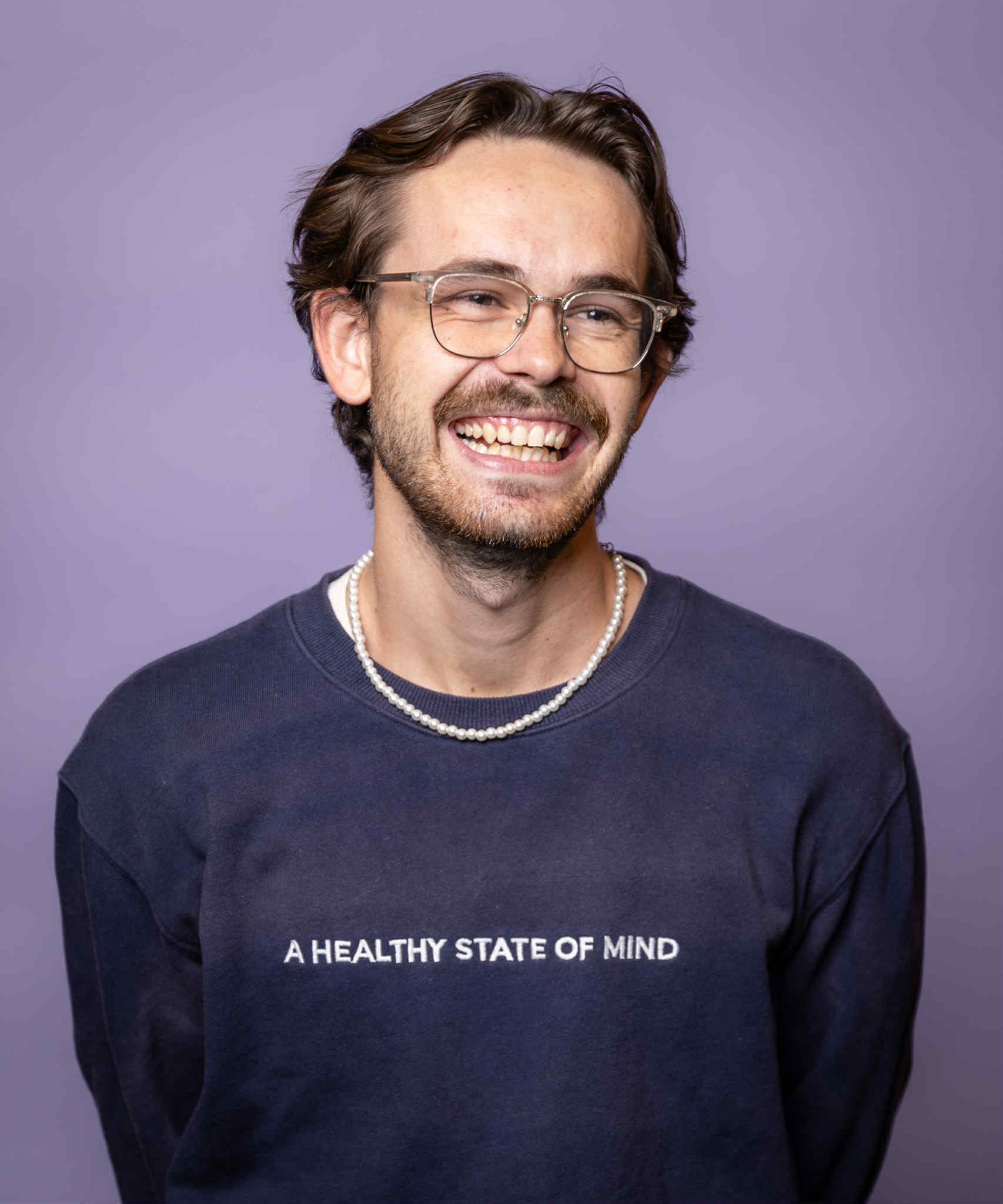
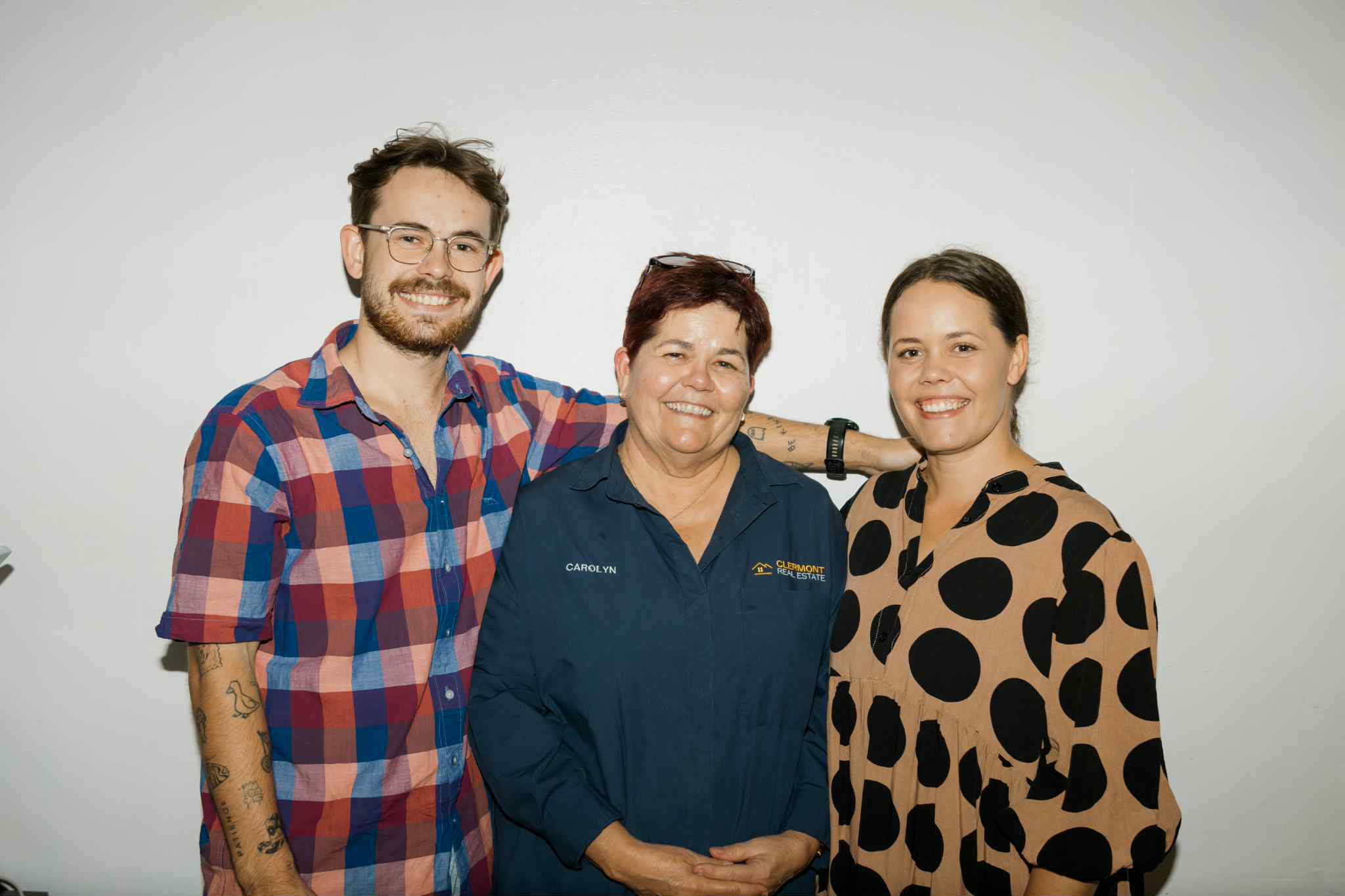
Ged Moriarty is Research and Evaluation Coordinator at The Man Cave. They grew up in rural Queensland and are pictured here with their mother and sister.
Published Thu 11th September, 2025.