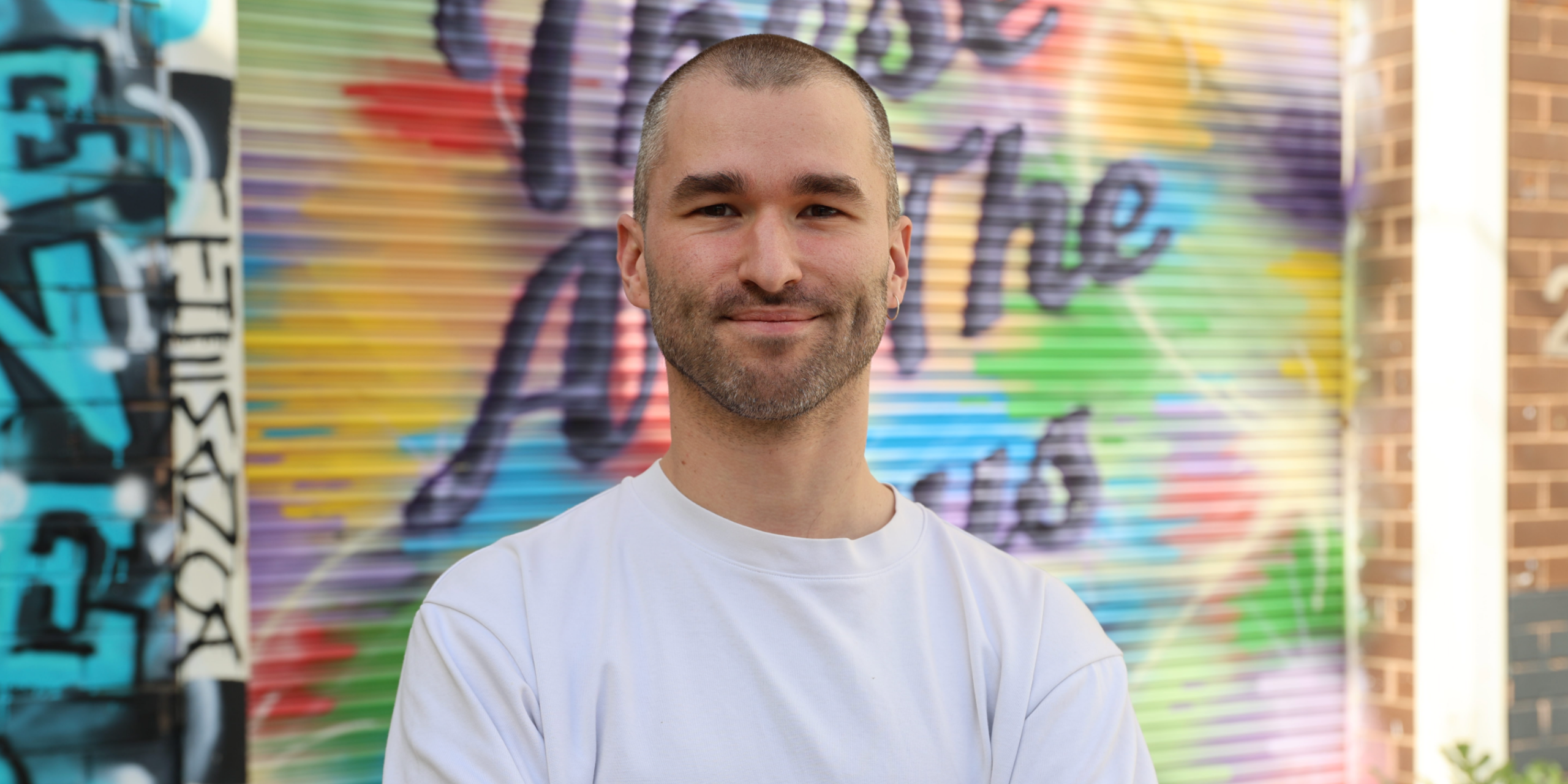
We were in the room today for Chanel Contos’s second National Press Club address, and it was a powerful one.
Fix Our Feeds, the campaign from the team at Teach Us Consent, is asking for something very specific. They want the government to make an algorithm-free feed an actual opt-in choice, not something buried three menus deep. Not a ban on social media, not a lecture about screen time. 78% of Australians already think people should have that choice. She called it bringing affirmative consent to our screens.
We’re behind it. We see what these feeds are doing to boys every week in schools.
She covered a lot of ground. The impact of porn, what social media is doing to our mental health, and how fast this content finds young boys.
She spoke to how the manosphere isn’t a set of beliefs your son might wander into. It’s an industry, and he’s the market. Young men go looking for community, or advice on getting fitter or getting ahead. What gets served back is content that blames women for their misfortune, and sells dominance over women as proof of a man’s worth.
“Misogyny is at the heart of its business model.”
Most parents think the danger online is something their son has to go looking for, the wrong forum, the wrong influencer, a video he clicked on purpose. Fix Our Feeds, the campaign from Teach Us Consent, tested that assumption. Researchers set up ten accounts mimicking a 16 to 18 year old boy across TikTok and YouTube Shorts, made no searches and followed nobody, then waited. It took 23 minutes for misogynistic content to start showing up. Nobody asked for it. It just arrived, because that’s what the feed is built to do.
Whoever built the algorithm didn’t design it to teach your son anything. They designed it to be addictive, and anger and contempt hold attention better than almost anything else. It learns from whatever he lingers on.
As The Man Cave’s Director of Content and Digital Engagement, Callum Goodes, puts it: “I go into these feeds every day to see what a teenage boy sees. It doesn’t take long. One video where you pause a second too long, and by the next scroll the whole tone’s shifted. That’s the part some adults don’t get. He doesn’t have to be looking for any of this. He just has to stop scrolling for a second, or have a friend send him a DM.“
73% of Gen Z social media users have already seen misogynistic content served to them this way. This is no longer a handful of bad influencers he needs to avoid, it is now the app’s default setting.
Research out of the University of Melbourne links misogynistic attitudes in teenage boys to support for extremist and violence-supportive views: a joke in a group chat first, something more dangerous further down the same road.
The manosphere is “the perfect sh*t storm,” Ben Vasiliou, The Man Cave’s CEO. “It’s a network of really harmful, unhealthy content disguised in entertainment or healthy advice, particularly for teenage boys and young men. These influencers are selling subscriptions to their online entrepreneurial college, or they’re selling peptides or testosterone or PT sessions. They’re using the vulnerabilities of teenagers and young men.”
We know this can all feel like a lot, so here’s where you can start.
Some platforms let you turn the algorithm off, or switch to one that only shows accounts he follows. Find the setting together, not as a punishment, as information: “Did you know your feed is built to do this on purpose?” Most boys have never been told that.
Ask him questions before you assume. Skip “what have you seen online,” that gets you nothing. Try “has anything come up on your feed that felt off, even if you just scrolled past it?” Then let him answer, even if it’s a shrug at first.
The feed is going to reach him whether you act or not. The only variable you actually control is whether he’s already talked to someone before it does.
Read the campaign and add your name at teachusconsent.com/fix-our-feeds.