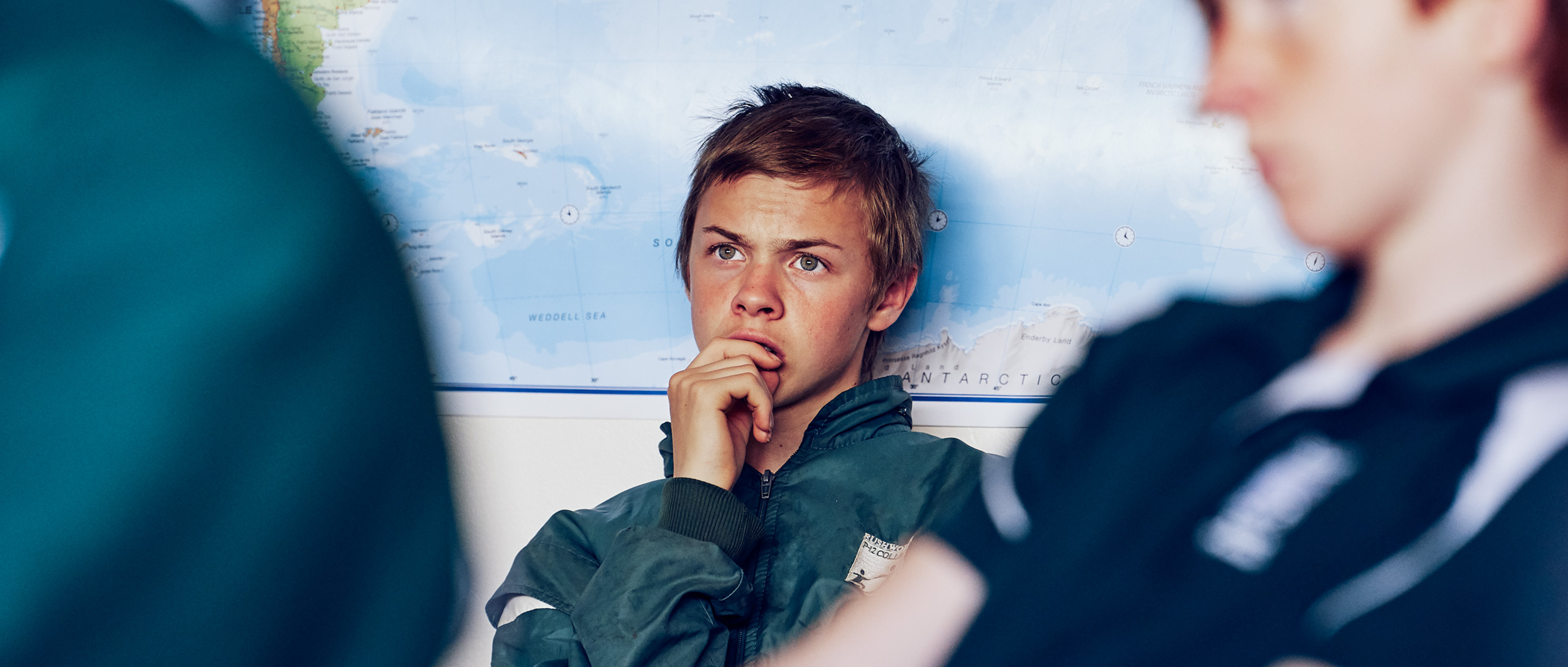
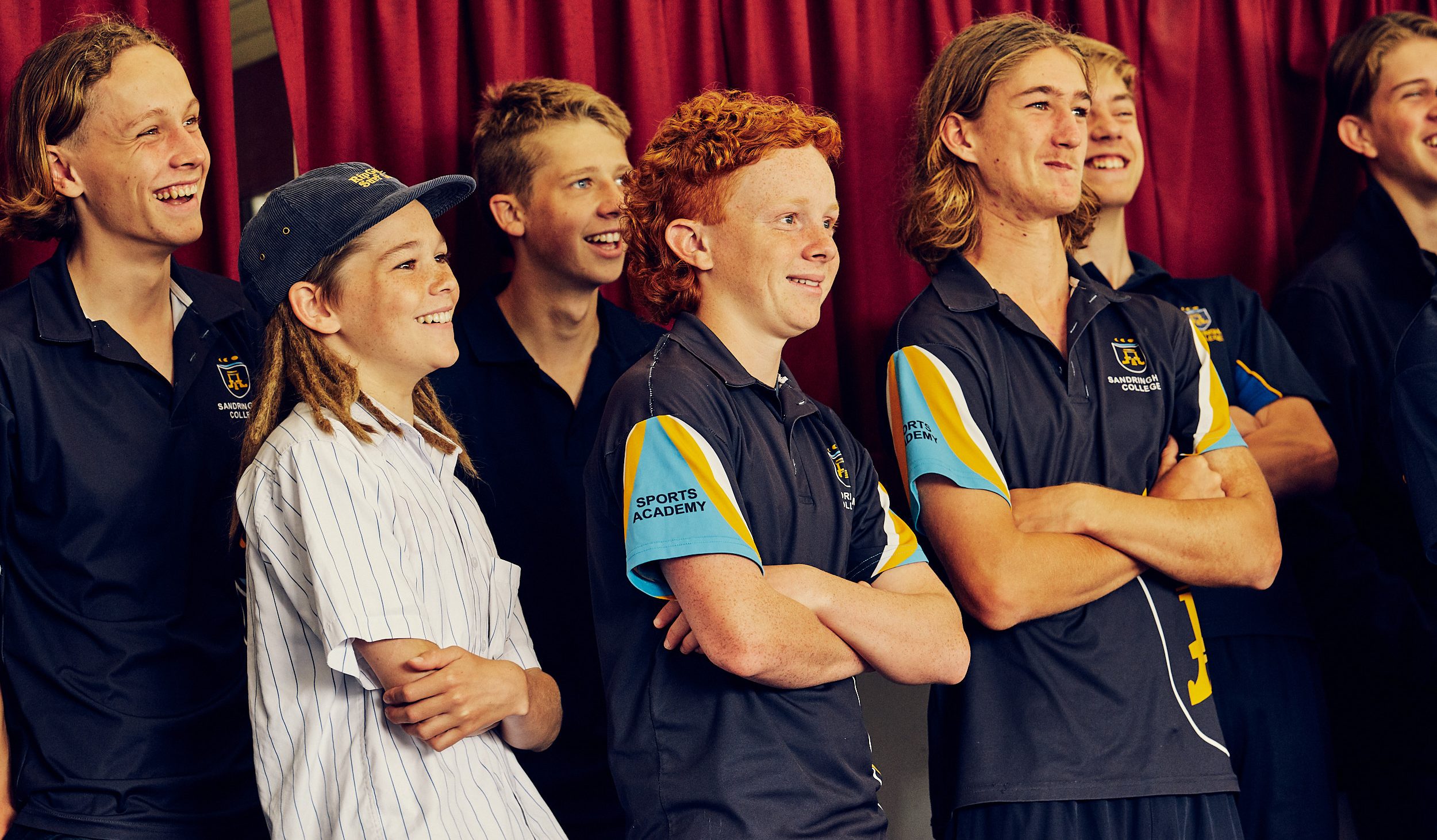
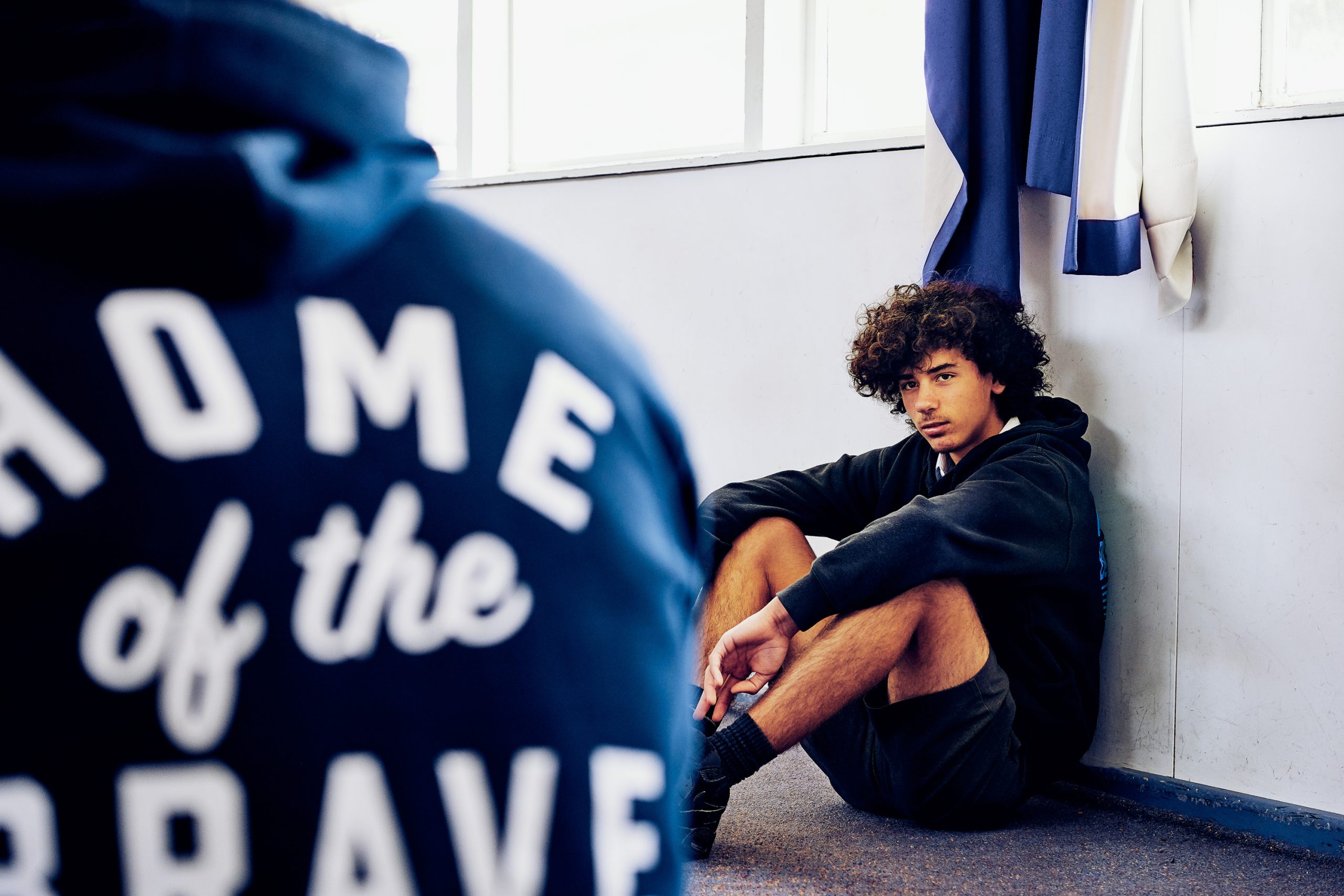
In six years of working at The Man Cave I’ve had thousands of conversations with educators and parents. In those conversations l’ve learned that boys and young men are both loved and occasionally feared. I’ve also learned that, to many, they are somewhat of a mystery.
Why do teenage boys do “those things”? As they traverse the passage to young manhood – in the classroom, at home and beyond – the raw energy in their individual and collective expressions of masculinity is a source of both hope and confusion for those who, by vocation or birth, are entrusted with their character development.
Raising boys is a huge responsibility. l am yet to meet anyone, personally or professionally, who does not passionately want the boys in their care to become good men. It often occurs to me that educators and parents reach out to The Man Cave because they know we hold boys, young men and masculinity in unconditional high regard. They trust us to help their boys reach their full potential.
Educators regularly tell me that a boy on his own is a great kid, but then in a group he can become disrespectful to female teachers and peers, enamoured with Andrew Tate and his ilk, resistant to putting himself forward for opportunities and disengaged academically. I am quick to reassure them that they are not on their own in observing this.
These same educators will also describe misogyny, aggression and homophobia to varying degrees. I can attest that this behaviour occurs regardless of whether the boy’s school is metropolitan, regional or rural; public, private or independent.
Parents increasingly fear the loss of their spirited boy to negative influences online, or to peer pressures that they cannot see or understand. They want to hear that we have evidence and knowledge about why their boys are saying and doing “those things”. And they want to hear that our programs can help.
In my own experience raising two sons, who are now in their early twenties, l landed on a framework that helped guide the way l thought about their behaviours and choices.
As young boys they showed me their enduring and uninhibited spirits. Then, prior to and throughout their high school years, I began to understand their vulnerabilities. Sometimes it was really tricky to know how to parent them, how to provide the guardrails for social development whilst respecting their growing autonomy: How much should I step in? How much do I lean on their school for support? How do I get it right for their sake?
Schools and parents invariably look for The Man Cave when their boys reach adolescence, when their vulnerabilities surface. Behavioural and social challenges are escalating and the boys in their care require nuanced and compassionate emotional development and positive role models.
Navigating healthy relationships with themselves and others is a skill that boys can learn. Our facilitators have the ability and capacity to teach them this, and nine times out of ten the boys lean into the opportunity, and walk away happier, healthier and more authentic versions of themselves.
We know this because we’ve had thousands of boys tell us that The Man Cave has helped them to realise they are not alone, that their mates are going through things too and that they can be there for them. They recognise that they are part of something greater. Most importantly, boys recognise that they have positive agency in their own lives, and the lives of those around them.
Boys are navigating a complex world. They are gentle and strong, loving and fearsome, confused and confident. They have great potential to effect positive change in their communities. Every conversation I have with an educator or parent reminds me of the extraordinary spectrum and range within boys’ expressions of masculinity.
When I listen to our facilitators’ stories of working with boys, I feel immense satisfaction informing educators and parents that we have a program that sees and brings out the good in their young men. The gravity of the trust placed in us is not lost on me.
Katie is the Head of Relationships at The Man Cave. For six years, Katie has worked with schools and educators across Australia to enable access to The Man Cave’s preventative mental health programs for teenage boys. She is the mother of two young men.
Published Wed 2nd April, 2025.